
• Natura
    • Animali, piante e habitat
    • Amici animali
  • Uomo e pianeta
    • Ambiente
    • Società
  • Scienza
  • Cultura
    • Libero pensiero
    • Personaggi
    • Eventi e iniziative
    • Recensioni
    • Edinat
  • Eco Lifestyle
    • Buone pratiche
    • Cibo e benessere
    • Mobilità sostenibile
  • Viaggi e outdoor
    • Italia
    • Mondo
    • Consigli e attrezzature
  • Fotografia
    • Si fa così
    • Fotoemozioni
  • Video
La Rivista della Natura
  • Ogni giorno notizie su Uomo, Ambiente e Pianeta

  • Abbonamenti
  • Autori
  • Pubblicità
  • vai
La Rivista della Natura
  • vai
  • Natura
    • Animali, piante e habitat
    • Amici animali
  • Uomo e pianeta
    • Ambiente
    • Società
  • Scienza
  • Cultura
    • Libero pensiero
    • Personaggi
    • Eventi e iniziative
    • Recensioni
    • Edinat
  • Eco Lifestyle
    • Buone pratiche
    • Cibo e benessere
    • Mobilità sostenibile
  • Viaggi e outdoor
    • Italia
    • Mondo
    • Consigli e attrezzature
  • Fotografia
    • Si fa così
    • Fotoemozioni
  • Video
condividi twitta WhatsApp
stai leggendo Taiji, hunting dolphins for the captivity industry
Prima pagina
Uomo e pianeta
Ambiente
from our own correspondent in Sidney

Taiji, hunting dolphins for the captivity industry

Taiji, hunting dolphins for the captivity industry
Foto: davidpitu/fotolia.com

Anna Colucci Anna Colucci 8 Set 2015

Every year, from September to April, Taiji enters into the spotlight because of the dolphin hunt carried out by fishermen and local residents; on the 1st of September 2015 the 46th dolphin slaughter has begun.
This activity started in 1969 when the Taiji Whale Museum requested for the first time a dolphin to be held in captivity in their aquarium. Since then, numerous drivers have supported this practice, including entertainment parks and the dolphin meat consumption industry.
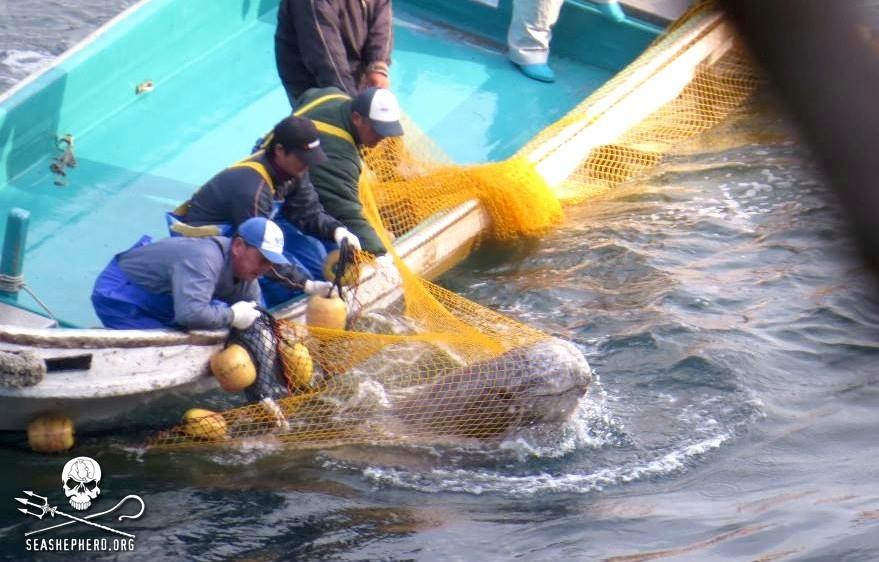
Foto: Seashepherd.org

Foto: Seashepherd.org

Although only a small part of the population actually consumes dolphin meat, almost 50% of the captured animals are ultimately destined for the food industry. Consumers are not always aware of the risks associated with the consumption of dolphin meat, mostly due to the high concentration of mercury and methyl-mercury that bio-accumulates in the tissues of apex predators like dolphins, which can reach up to 2000 times higher than safe levels. Moreover, due to the decrease of whale meat consequent to their stricter protection, dolphin meat is often labelled as whale meat, which is considered more valuable.

The sale of live dolphins attracts the highest price as they can be trained for amusement parks. For instance the cost of a live dolphin can reach up to $250.000. Such a lucrative industry has proven to be difficult to control under voluntary caps or restrictions.
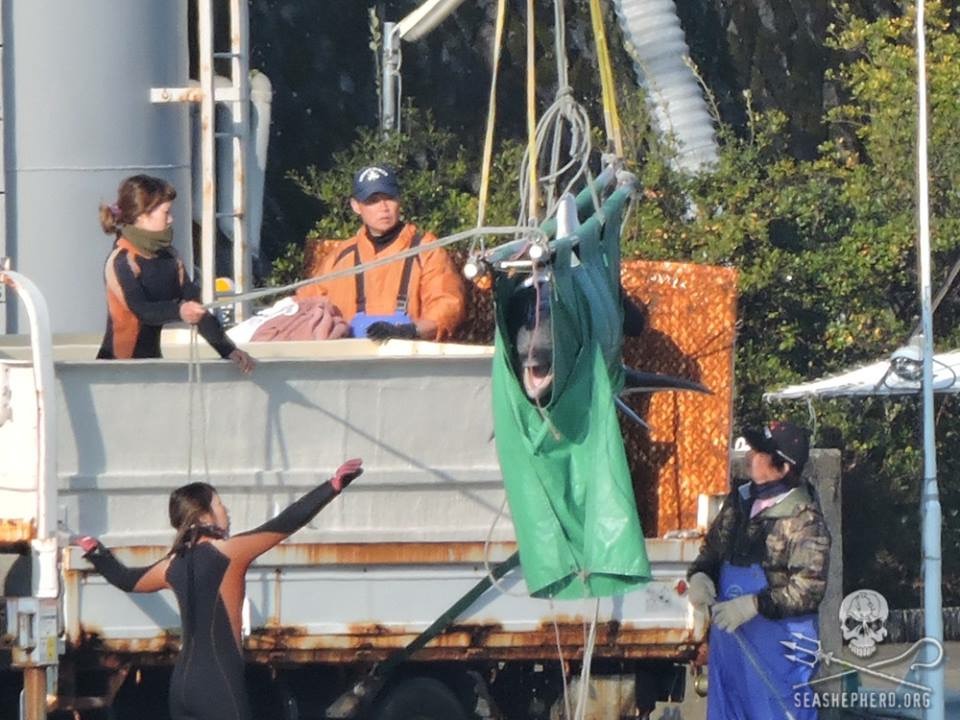
Foto: Seashepherd.org

Foto: Seashepherd.org

Adding to the controversial nature of this industry, many of the ethical and clinical health and wellbeing problems of the animals are not publicly disclosed. Indeed, there is very little knowledge of the situations and treatments those animals are subjected to. The process to captivity is composed of a number of brutal steps: firstly the selection phase takes place in the “cove” of Taiji, following the long and exhausting observation of the animal reactions; secondly, in order to force the animal to play tricks and obey the trainer, a process of starvation is carried out. The transportation method, which consists of the closure of the animal in a small wooden box with little air and water, results in a sharp peak in mortality rates. In fact, usually when the park requires one dolphin, up to six individuals are actually sent.

Foto: Seashepherd.org

Foto: Seashepherd.org

Paradoxically, among all phases the last one, when the animal is confined to the captivity of the aquarium, can be considered the most distressing and inhuman. This is due to the fact that toothed whales such as dolphins rely on a system of echolocation for their communication, consisting of a high frequency two-way sound transmission (emission and reception). Once those animals are closed into a tank, they are surrounded by a wall of sound caused by the echo of the emitted ones bumped by the sides of the tank. This environment, very different from the natural one, generates an uncountable amount of stress for the animal. Analyses over bodies of dead captive dolphins have revealed the presence of stomach ulcers caused by the unbalanced and unnatural behaviour those individuals are forced into.

Foto: Seashepherd.org

Foto: Seashepherd.org

A wide number of animal right groups, including Sea Shepherd, have mobilised several protests against the hunt in Taiji and the captivity process in general. Unfortunately similar activities are carried out in the Faroe Islands, in Russia and in Peru.

Foto: Seashepherd.org

Foto: Seashepherd.org

As the captivity industry is completely supported by the selling of parks tickets to the public, it would be fundamental for people to get to know the treatment their beloved and admired animals are forced into. The anatomic nature of those intelligent and sentient beings that makes them look like they are smiling hide a sad reality.

Foto: Seashepherd.org

Foto: Seashepherd.org

© riproduzione riservata
riproduzione consentita con link a originale e citazione fonte: rivistanatura.com

Potrebbe interessarti:

Taiji, a caccia di delfini per metterli in cattività

Taiji, a caccia di delfini per metterli in cattività

Africa, canned hunting e falsi santuari

Africa, canned hunting e falsi santuari

Chiusa la caccia ai delfini nella baia di Taiji

Chiusa la caccia ai delfini nella baia di Taiji

  • vai
  • vai
La Rivista della Natura
Sezioni
  • Natura
  • Uomo e pianeta
  • Scienza
  • Cultura
  • Eco Lifestyle
  • Viaggi e outdoor
  • Fotografia
  • Natura TV
  • Autori
Contatti
  • Redazione
  • Pubblicità
  • Publiredazionali
  • Abbonamenti
  • Diventa autore
Seguici
  • Facebook
  • Youtube
  • Vimeo
  • Instagram

© 2014 – 2026 Edinat - Edizioni di Natura - Milano · P.I./C.F. 02938530132

  • Dichiarazione sulla Privacy (UE)
Gestisci Consenso Cookie
Per fornire le migliori esperienze, utilizziamo tecnologie come i cookie per memorizzare e/o accedere alle informazioni del dispositivo. Il consenso a queste tecnologie ci permetterà di elaborare dati come il comportamento di navigazione o ID unici su questo sito. Non acconsentire o ritirare il consenso può influire negativamente su alcune caratteristiche e funzioni.
Funzionale Sempre attivo
L'archiviazione tecnica o l'accesso sono strettamente necessari al fine legittimo di consentire l'uso di un servizio specifico esplicitamente richiesto dall'abbonato o dall'utente, o al solo scopo di effettuare la trasmissione di una comunicazione su una rete di comunicazione elettronica.
Preferenze
L'archiviazione tecnica o l'accesso sono necessari per lo scopo legittimo di memorizzare le preferenze che non sono richieste dall'abbonato o dall'utente.
Statistiche
L'archiviazione tecnica o l'accesso che viene utilizzato esclusivamente per scopi statistici. L'archiviazione tecnica o l'accesso che viene utilizzato esclusivamente per scopi statistici anonimi. Senza un mandato di comparizione, una conformità volontaria da parte del vostro Fornitore di Servizi Internet, o ulteriori registrazioni da parte di terzi, le informazioni memorizzate o recuperate per questo scopo da sole non possono di solito essere utilizzate per l'identificazione.
Marketing
L'archiviazione tecnica o l'accesso sono necessari per creare profili di utenti per inviare pubblicità, o per tracciare l'utente su un sito web o su diversi siti web per scopi di marketing simili.
  • Gestisci opzioni
  • Gestisci servizi
  • Gestisci {vendor_count} fornitori
  • Per saperne di più su questi scopi
Visualizza le preferenze
  • {title}
  • {title}
  • {title}